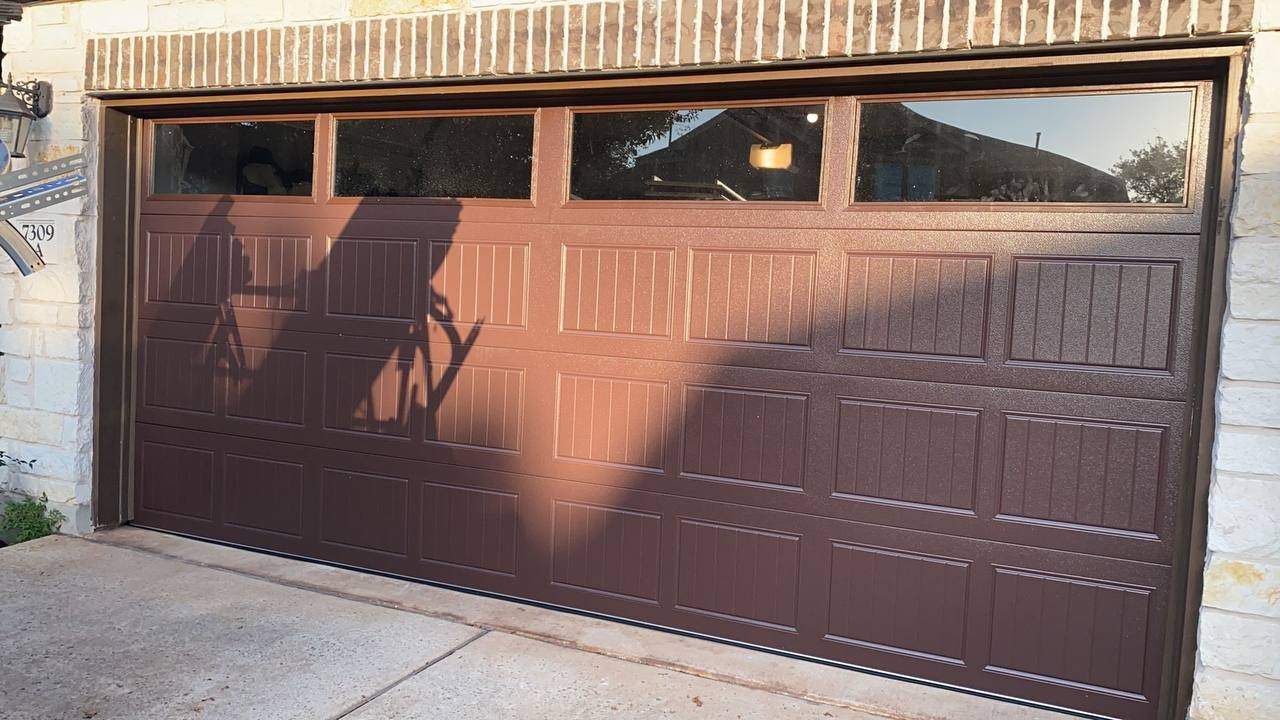
Seattle, WA homeowners know how a noisy garage can echo through a quiet neighborhood and make evenings less peaceful. If your garage door opener is clattering, whining, or rattling, targeted garage door opener repair can bring the quiet back. This guide explains practical noise reduction solutions, what to expect from a local residential service, and when to call pros for lasting results.
Why garage door opener repair matters for noise reduction
Noise from garage doors is rarely one single problem. It often comes from worn parts, poor alignment, or an older opener motor. Quality garage door opener repair reduces vibrations, prevents damage to the door and opener, and improves safety. That’s important in Seattle’s varied climate where moisture and salt air can accelerate wear.
Common noise sources
- Worn rollers or loose hinges creating metal-on-metal noise
- Old chain-drive openers that rattle under heavy loads
- Unbalanced doors putting extra strain on the opener
- Loose mounting hardware transmitting vibration into the house
- Dry or damaged weatherstripping allowing jarring contact
Addressing these with proper garage door opener repair reduces noise and extends the life of your system. For more background on common problems and seasonal checks, see our blog.
Practical, low-cost noise reduction steps you can do first
Before scheduling a service call, try these homeowner-friendly fixes. They’re safe, fast, and often noticeably effective.
- Tighten fasteners: Check bolts on the opener rail and brackets. Tightening loose hardware can cut vibration transmission.
- Lubricate moving parts: Use a silicone or lithium spray on rollers, hinges, and bearings—avoid WD-40 for long-term lubrication on rollers.
- Inspect rollers: If your garage has nylon rollers, they’re quieter than steel. Replace noisy or chipped rollers as part of basic garage door opener repair.
- Balance the door: Disconnect the opener and lift the door halfway—if it drifts, springs or cables need adjustment by a pro.
- Replace worn weatherstripping: Soft seals reduce slapping and drafts, particularly important in wet Seattle winters.
- Install anti-vibration pads: Foam or rubber pads behind opener mounting brackets absorb vibration.
When to schedule professional garage door opener repair
If the noise persists after DIY fixes, call a local technician. Professional repair addresses root causes—like misaligned tracks, failing motors, or worn gear assemblies—and ensures safety systems still function. Typical signs you need a pro:
- Grinding or scraping noises from the opener motor
- Door moves unevenly or jerks at specific points
- Remote or sensor issues after loud events (storms, power surges)
- Visible sagging, frayed cables, or spring problems
A qualified technician will inspect the door, test the opener motor and drive (chain, belt, or direct), and recommend either repair or replacement. Many homeowners in Seattle opt to replace noisy chain-drive units with belt-drive openers during their service visit for a fast, quieter result. To learn about services and upgrades available, check our services page.
Expected timeline and work scope
Minor repairs—tightening, lubricating, and replacing a few rollers—often take 30–90 minutes. More involved work like replacing the opener motor, realigning tracks, or replacing springs can take 2–4 hours and sometimes require a second visit for parts. Local conditions, like scheduling and part availability, affect timing.
Cost considerations and local pricing guidance
Seattle-area homeowners typically see a wide pricing range depending on parts and complexity. Basic garage door opener repair (lubrication, adjustments, fasteners) can run lower cost, while new opener installation or major spring replacement costs more. Expect ballpark ranges rather than fixed quotes until a technician assesses the door. Most reputable residential service companies provide a written estimate after inspection.
Ask about warranties on parts and labor. Many replaced components come with limited warranties, and a quality repair should include a short-term labor warranty. If noise returns quickly after service, contact the company immediately—prompt follow-up is part of dependable residential service.
Noise-resistant options when replacing an opener
If replacement is on the table, consider these quieter options:
- Belt-drive openers: Common upgrade that significantly reduces noise compared with chain drives.
- Direct-drive openers: Motor moves along the rail and tends to be the quietest option.
- Insulated garage doors: Heavier but reduce resonance and outside noise; pairing insulation with a quiet opener provides the best results.
Choosing the right combination depends on your door weight, garage layout, and budget. For tailored recommendations, call or request an on-site assessment via our contact page.
Seattle-specific tips: climate and noise
Seattle’s humidity and coastal air accelerate corrosion on metal parts. Schedule an annual inspection to catch rust or wear early. For homes near busy streets or on shared walls, invest in vibration isolation and upgraded openers to reduce impact noise inside living spaces. Regular maintenance is cost-effective compared to repeated repairs.
Final note: keep a log of repairs and parts replaced. It helps technicians diagnose recurring issues faster and informs future home improvement decisions.
For homeowners following the garage door opener repair wa noise reduction solutions guide, regular checks, timely repairs, and strategic upgrades will restore quiet and reliability. Whether a quick tune-up or a full opener swap, use a licensed local company experienced with Seattle’s conditions to ensure safe, effective work.
Frequently Asked Questions — Seattle, WA
How does Seattle weather affect garage door noise?
Humidity and coastal air accelerate rust and stiffen seals. That causes squeaks and extra vibration. Annual lubrication and inspection keep parts moving freely and reduce noise in our local climate.
How long does a typical garage door opener repair visit take?
Minor noise fixes like tightening, lubrication, and roller replacement usually take 30–90 minutes. Replacements or spring work can take 2–4 hours. Your technician will give an on-site estimate for time and parts.
What price range should Seattle homeowners expect?
Simple repairs often cost less than replacement—expect a modest service fee plus parts. New, quieter openers (belt or direct drive) cost more but reduce noise long-term. Get a written estimate before work begins.
Are there warranties and follow-up services available?
Yes. Ask about parts and labor warranties. Reliable providers offer short-term labor guarantees and stand behind replaced parts—important if noise returns after service.
Do I need permits for garage door opener replacement in Seattle?
Most opener repairs and replacements don’t require a permit, but structural or electrical upgrades may. Your technician can advise if a permit is needed for work that affects wiring or framing.
Helpful local resources in Seattle, WA
- Garage Door Repair Seattle
- Garage Door Repair Bellevue
- Garage Door Repair Redmond
- Garage Door Repair Kirkland
- Garage Door Repair Mercer Island
- Garage Door Repair Edmonds
- Garage Door Repair Issaquah
- Garage Door Repair Tacoma
- Garage Door Repair Everett
- Garage Door Repair Bothell
- Garage Door Repair Sammamish
- Garage Door Repair Renton
- Garage Door Repair Lynnwood
- Garage Door Repair Woodinville
- Garage Door Repair University Place
- Garage Door Repair Gig Harbor
- Garage Door Repair Lakewood
- Garage Door Repair Puyallup
- Garage Door Repair Mukilteo
- Garage Door Repair Vancouver
- Garage Door Repair Kenmore
- Garage Door Repair Burien
- Garage Door Repair Auburn
- Garage Door Repair South Hill
- Garage Door Repair Yarrow Point
- Garage Door Repair Clyde Hill
- Garage Door Repair Port Townsend
- Garage Door Repair Duvall
- Garage Door Repair Snoqualmie