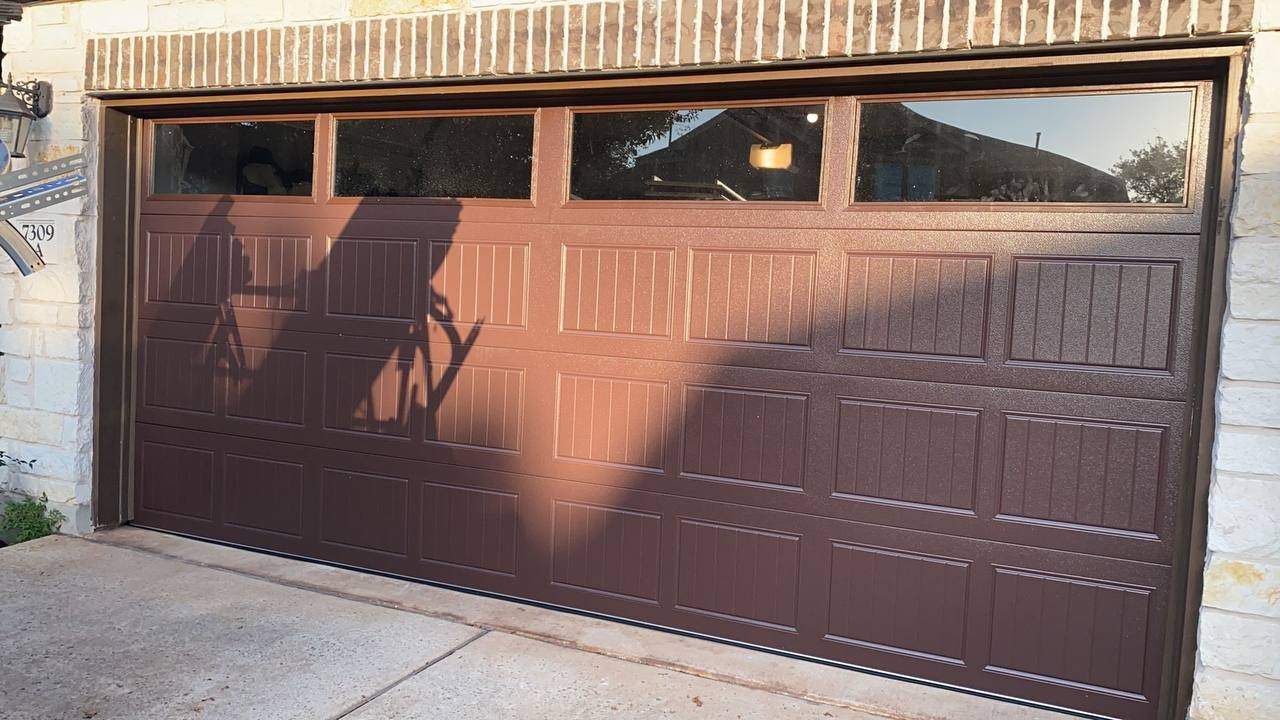
If you live in Seattle, WA and are planning a garage door replacement, safety should be the first item on your checklist. A properly planned garage door replacement protects your family, your vehicles, and your home during a busy residential service project. This guide outlines practical steps homeowners can take before, during, and after the work to reduce risk and speed the job.
Plan before you start: assess risks and set expectations
A good garage door replacement begins long before the crew arrives. Walk the job area and note hazards specific to Seattle weather — slippery driveways after rain, gutters that drain near the door, or overhanging branches. Early planning lowers surprises and improves outcomes.
Use this quick pre-replacement checklist:
- Confirm the scope: full door swap, new opener, or panel repairs.
- Measure clearance and headroom — tight garages need special tracks.
- Clear cars, tools, and stored items at least 10 feet from the door path.
- Note electrical access for the opener and any required ground-level outlets.
- Check local permit rules if your replacement changes structural openings or wiring.
When you schedule a professional garage door replacement, share photos and measurements with the contractor. If you want to read more about common practices and local seasonal tips, visit our blog for articles written for Seattle homeowners.
Safety measures the day of replacement
On installation day, make safety visible and enforce simple rules. Keep kids and pets inside, and cordon off the immediate work area. A clear perimeter prevents accidental trips into the lifting zone.
Tools, equipment, and PPE
Certified technicians bring specialized tools and safety gear. They use lifting supports, torsion spring tools, and tension gauges that you should never operate yourself. As a homeowner, provide good lighting and dry footing so the crew can work confidently. If the forecast predicts rain or wind that could affect cranes or lifts, ask your contractor about rescheduling.
Handling springs and cables
Torsion springs and lifting cables store dangerous energy. Never attempt spring removal or tensioning as a DIY task. A proper garage door replacement requires correct spring sizing and balanced tensioning to prevent sudden failure. Technicians test balance and cycle the new door repeatedly — watch from a safe distance until the final checks complete.
Working with a residential service pro: questions to ask
Choosing the right team reduces risk and often shortens the job. Ask prospective contractors about training, insurance, and the exact steps they take to ensure safety during a garage door replacement.
- Licensing and insurance: Confirm coverage for property and liability.
- Warranties: Request written warranty terms for parts, springs, and labor.
- Timeline and staging: Get an estimated start time, expected duration, and plan for unexpected conditions (wet weather is common in Seattle).
- Clean-up policy: Will they remove old doors and dispose of hardware safely?
If you need a written estimate or want to arrange an on-site review, contact us to book a local inspection. Clear, documented expectations create accountability and improve safety for everyone on site.
Material choices and safety features to prioritize
Selecting the right door and opener affects long-term safety. Heavier steel doors need correctly rated springs and stronger lift systems, while insulated doors can protect against Seattle’s damp climate.
- Springs and hardware: Match hardware ratings to door weight and cycle life.
- Safety reversing sensors: Require sensors for any automatic opener; test them after installation.
- Manual release mechanisms: Ensure they are accessible but secure from accidental triggers.
- Weather sealing: Proper bottom seals and track shims prevent water intrusion and reduce slip hazards on floors.
A professional residential service can recommend a package that balances durability, safety ratings, and maintenance needs.
Common local concerns: weather, permits, and timing
Seattle’s climate and municipal rules change how a safe garage door replacement is done. Plan for wet weather and check whether your project needs a permit.
- Weather: Schedule exterior work for drier days when possible. Wet leaves and rain make lifting and finishing work slower and potentially hazardous.
- Permits: Small replacements that keep the same opening often don’t require permits, but structural changes or new wiring for an opener may. Confirm with your contractor or city permit office.
- Timing: A straightforward replacement often completes in one day; complex installs or custom doors can take longer.
For clear options and service descriptions, check our services page to see typical timelines and what to expect from a professional installation.
After the swap: testing and routine checks
After the new door is installed, perform and document final safety tests. A few simple checks catch problems early and keep the replacement durable.
- Balance test: Disconnect the opener and manually lift the door to check for smooth balance.
- Sensor test: Place an object in the door path to confirm the automatic reverse function.
- Opener safety: Test the force settings and manual release operation.
- Maintenance plan: Ask your technician about seasonal checks — springs and rollers typically need attention every few years depending on use.
Keep the installation invoice and warranty documents in a safe place and note recommended maintenance intervals. A documented garage door replacement helps with resale value and future service calls.
When to call for repairs versus a full replacement
Not every problem needs a full garage door replacement. Rusted panels, noisy rollers, or a malfunctioning opener may be repairable. However, if springs, tracks, or the door itself are severely worn, a replacement is often the safer long-term solution.
Signs that a full replacement is safer:
- Repeated spring failures or springs past expected cycle life.
- Severe panel corrosion or structural damage.
- Opener incompatibility with modern safety sensors or smart controls.
For a custom assessment tailored to Seattle homes, schedule an inspection so a technician can advise whether a repair or a full garage door replacement is the safer, more cost-effective choice.
Helpful local resources in Seattle, WA
- Garage Door Repair Seattle
- Garage Door Repair Bellevue
- Garage Door Repair Redmond
- Garage Door Repair Kirkland
- Garage Door Repair Mercer Island
- Garage Door Repair Edmonds
- Garage Door Repair Issaquah
- Garage Door Repair Tacoma
- Garage Door Repair Everett
- Garage Door Repair Bothell
- Garage Door Repair Sammamish
- Garage Door Repair Renton
- Garage Door Repair Lynnwood
- Garage Door Repair Woodinville
- Garage Door Repair University Place
- Garage Door Repair Gig Harbor
- Garage Door Repair Lakewood
- Garage Door Repair Puyallup
- Garage Door Repair Mukilteo
- Garage Door Repair Vancouver
- Garage Door Repair Kenmore
- Garage Door Repair Burien
- Garage Door Repair Auburn
- Garage Door Repair South Hill
- Garage Door Repair Yarrow Point
- Garage Door Repair Clyde Hill
- Garage Door Repair Port Townsend
- Garage Door Repair Duvall
- Garage Door Repair Snoqualmie
Q: Will Seattle’s rainy weather affect my garage door replacement timeline?
A: Short answer: sometimes. Light rain usually won’t stop a trained crew, but heavy rain or high wind can delay exterior work. Technicians will reschedule if conditions risk worker safety or door finishes. Ask for a weather contingency in your estimate.
Q: Do I need a permit for garage door replacement in Seattle, WA?
A: Most like-for-like replacements that do not change the opening or electrical layout don’t require a permit. Structural changes or new wiring for openers may. Confirm with your contractor or Seattle permitting office before work begins.
Q: What price range should I expect for a full residential garage door replacement in Seattle?
A: Costs vary by door type, size, insulation, and hardware. Entry-level single doors start lower, while insulated or custom steel doors cost more. Expect a written estimate with parts, labor, and any disposal fees. Ask about common local add-ons like weatherproofing for damp climates.
Q: How long does a typical garage door replacement take in a Seattle home?
A: A standard one-day installation is common for straight swaps. Custom doors, electrical upgrades, or unexpected repairs can extend the timeline. Your installer should give a realistic window and update you if complications arise.
Q: What warranties should I look for on a garage door replacement?
A: Look for manufacturer warranties on panels and hardware, plus a labor warranty from the installer. Spring warranties often differ from door or opener warranties. Keep documentation and ask how claims are handled locally.
Helpful local resources in Seattle, WA
- Garage Door Repair Seattle
- Garage Door Repair Bellevue
- Garage Door Repair Redmond
- Garage Door Repair Kirkland
- Garage Door Repair Mercer Island
- Garage Door Repair Edmonds
- Garage Door Repair Issaquah
- Garage Door Repair Tacoma
- Garage Door Repair Everett
- Garage Door Repair Bothell
- Garage Door Repair Sammamish
- Garage Door Repair Renton
- Garage Door Repair Lynnwood
- Garage Door Repair Woodinville
- Garage Door Repair University Place
- Garage Door Repair Gig Harbor
- Garage Door Repair Lakewood
- Garage Door Repair Puyallup
- Garage Door Repair Mukilteo
- Garage Door Repair Vancouver
- Garage Door Repair Kenmore
- Garage Door Repair Burien
- Garage Door Repair Auburn
- Garage Door Repair South Hill
- Garage Door Repair Yarrow Point
- Garage Door Repair Clyde Hill
- Garage Door Repair Port Townsend
- Garage Door Repair Duvall
- Garage Door Repair Snoqualmie