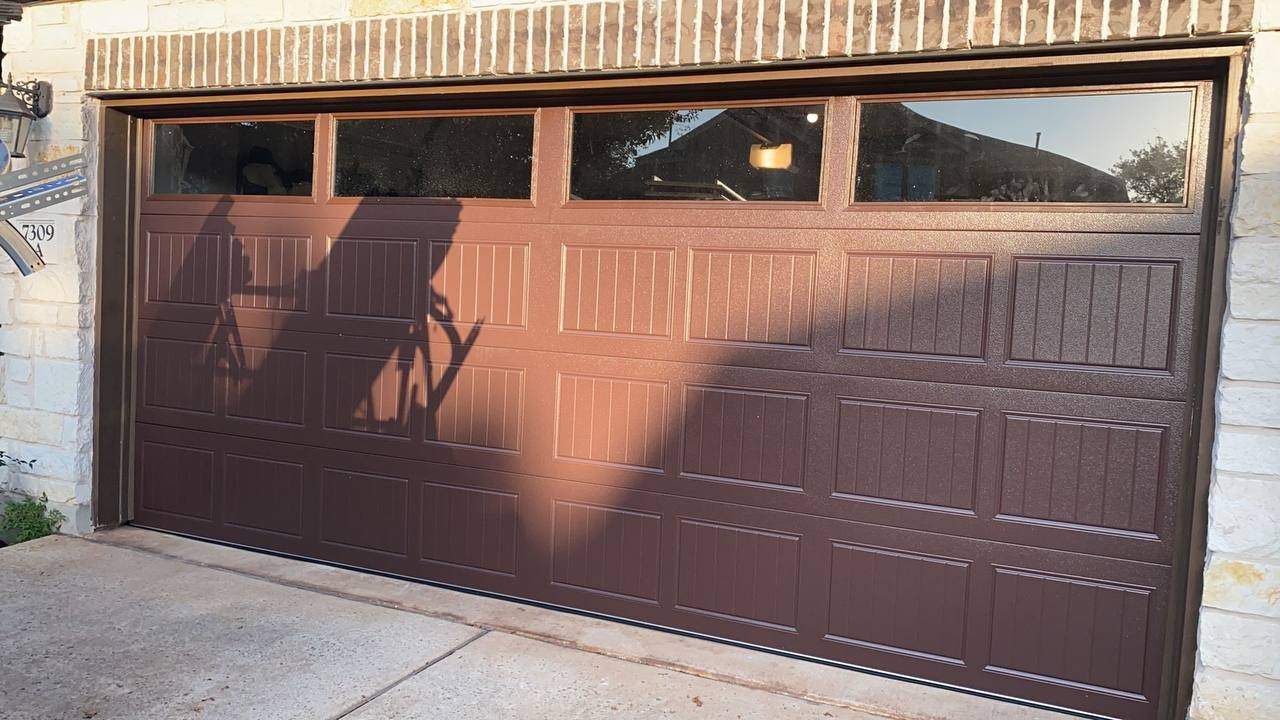
Living in Seattle, WA means wet winters, salty air near Puget Sound, and an extra load on moving parts. If you depend on an automatic opener or an older sectional door, timely garage door repair matters for safety and comfort. This guide gives clear, local advice homeowners can use to spot problems, decide when to call a pro, and get repairs done right.
Quick inspection checklist every homeowner should run
Start with a fast visual check. A five-minute inspection often reveals issues that otherwise become expensive repairs. Use this checklist monthly during wet months:
- Look for bent or broken springs and loose cables.
- Check rollers and tracks for rust, dents, or misalignment.
- Listen for grinding or popping when the door opens or closes.
- Test safety reversal: place a block in the door path and close — it should reverse immediately.
- Inspect weather seal at the bottom for gaps that let water or drafts in.
These items help you prioritize garage door repair work and give a repair technician accurate notes when you contact us.
Common Seattle-specific failure modes
Seattle’s moisture and temperature swings accelerate certain problems. Knowing the local causes helps you spot them early:
Corrosion and seized rollers
Salt air near coastal neighborhoods and persistent humidity can cause steel rollers to rust and seize. Seized rollers strain the opener and may crack panels if left unaddressed. Replacing metal rollers with sealed nylon rollers is a cost-effective, long-lasting step during garage door repair.
Weatherseal and threshold wear
Standing water and erosion at your garage entrance wear the bottom seal. A damaged seal invites moisture, pests, and heat loss. Replacing the bottom weatherstrip is a small repair that pays back in comfort and reduced energy bills.
Opener electronics and remote range
Interference from newer smart devices, or corroded antennae and connections, can reduce remote range or cause intermittent operation. Diagnosing opener electronics early typically avoids replacing the entire system.
When to DIY and when to hire a pro
Some maintenance you can safely do yourself. Other tasks require specialized tools and training. Here’s a practical split:
DIY tasks
- Lubricate rollers, bearings, and hinges with manufacturer-recommended lubricant.
- Tighten loose fasteners and bolts on tracks and brackets.
- Clean and realign small debris in tracks.
- Replace weather seals and threshold strips.
Call a professional for:
- Broken or wound torsion springs — these store deadly energy and need specialized tools.
- Frayed or snapped cables and off-track panels.
- Complex opener issues like circuit problems, motor replacement, or sensor alignment.
- Panel replacement when garage aesthetics or insulation are a concern.
If you’re unsure, schedule an inspection of services with a licensed technician; a small diagnostic fee often avoids bigger failures later and gives an accurate repair estimate you can trust. To learn more about common fixes and seasonal advice, see our blog for short guides and videos.
Estimating cost, timeline, and warranties in Seattle
Homeowners often ask how long garage door repair takes and what it will cost. Local factors and the part type drive both numbers.
- Spring replacement: typically 1–2 hours. Parts and labor in Seattle commonly range from a moderate to higher price than national averages because of local labor costs and parts sourcing.
- Opener replacement: 2–4 hours depending on features; smart openers and belt drives cost more but run quieter.
- Panel replacement: a half day to a full day depending on access and paint/finish work.
- Minor repairs and adjustments: often same-day, under an hour to a few hours.
Ask your technician for a clear written estimate and details about parts warranties and labor guarantees. Many Seattle-area pros offer limited warranties on springs and motors — get that in writing before work begins.
Preparing for a service visit — what to have ready
Preparing a few items before a technician arrives speeds up repair and lowers the chance of surprises:
- Note the brand and model of your opener if available.
- Have photos of the damaged area and the full door on your phone.
- Clear vehicles and storage away from the door to give techs workspace.
- List noises, frequency of failure, and recent events (storms, minor impacts).
When you’re ready to book, use the contact page to request a time that fits your schedule. Our team will confirm expected arrival windows and any preparation steps to streamline the visit: learn about available services.
Maintenance plan basics for long-term savings
A short maintenance plan prevents emergency repairs and extends the life of your door and opener. Key elements of an effective plan include:
- Annual professional inspection focused on springs, cables, and alignment.
- Seasonal lubrication and weatherseal checks before the rainy season.
- Prompt replacement of worn rollers and bottom seals.
- Keeping a service history log — dates, parts replaced, technician notes.
Regular service spreads costs over time and reduces the likelihood of a mid-winter failure that leaves you exposed to cold and damp.
Safety and permit notes for Seattle homeowners
Most garage door repairs don’t require city permits, but any structural framing changes or electrical rewiring for a new operator may trigger local codes. If a repair requires altering supporting framing or installing new 120V circuits, confirm whether permits are needed with Seattle’s permitting office or ask your contractor to confirm compliance.
Never attempt spring removal or cable winding yourself. Those components are under high tension and can cause severe injury.
When you’re ready to schedule a trusted visit or need emergency help, call our local team.
Frequently asked questions — Seattle homeowners
Do Seattle winters affect my garage door springs faster?
Yes. Colder, damp conditions speed corrosion and metal fatigue. If your springs are over five years old or you notice creaking and uneven operation, schedule an inspection before temperatures drop.
How long will a typical spring replacement take and cost locally?
In Seattle, a standard torsion spring replacement usually takes 1–2 hours. Expect a local price range that reflects parts quality and labor — technicians will give a written estimate after inspection.
Are permits required for garage door repair or replacement in Seattle?
Minor repairs generally don’t need permits. Structural changes, new header work, or electrical rewiring for an opener may require a permit. Confirm with the city or your contractor if the scope includes framing or new circuits.
What warranty should I expect on parts and labor?
Reputable local contractors offer limited warranties on springs and openers and a labor guarantee for a set period. Ask for written warranty details before work starts and keep the invoice for future claims.
How quickly can I get emergency garage door repair in Seattle?
Response times vary by company and weather. Many local services offer same-day or next-day appointments for emergencies. If the door is stuck open or unsafe, request an emergency visit and provide clear photos when you contact.
Helpful local resources in Seattle, WA
- Garage Door Repair Seattle
- Garage Door Repair Bellevue
- Garage Door Repair Redmond
- Garage Door Repair Kirkland
- Garage Door Repair Mercer Island
- Garage Door Repair Edmonds
- Garage Door Repair Issaquah
- Garage Door Repair Tacoma
- Garage Door Repair Everett
- Garage Door Repair Bothell
- Garage Door Repair Sammamish
- Garage Door Repair Renton
- Garage Door Repair Lynnwood
- Garage Door Repair Woodinville
- Garage Door Repair University Place
- Garage Door Repair Gig Harbor
- Garage Door Repair Lakewood
- Garage Door Repair Puyallup
- Garage Door Repair Mukilteo
- Garage Door Repair Vancouver
- Garage Door Repair Kenmore
- Garage Door Repair Burien
- Garage Door Repair Auburn
- Garage Door Repair South Hill
- Garage Door Repair Yarrow Point
- Garage Door Repair Clyde Hill
- Garage Door Repair Port Townsend
- Garage Door Repair Duvall
- Garage Door Repair Snoqualmie