Why energy efficiency matters for Seattle garages
Seattle, WA homeowners who use their garage as a workshop, storage area, or an attached buffer to the house know how much heat and cold can transfer through an old door. When you plan garage door repair, think beyond springs and sensors: upgrades that improve insulation and air sealing reduce energy waste and make adjacent rooms more comfortable.
Key upgrades to prioritize during garage door repair
A targeted approach on the next garage door repair visit can deliver measurable savings and comfort. Below are practical upgrades that fit most residential service budgets.
1. Insulated door panels
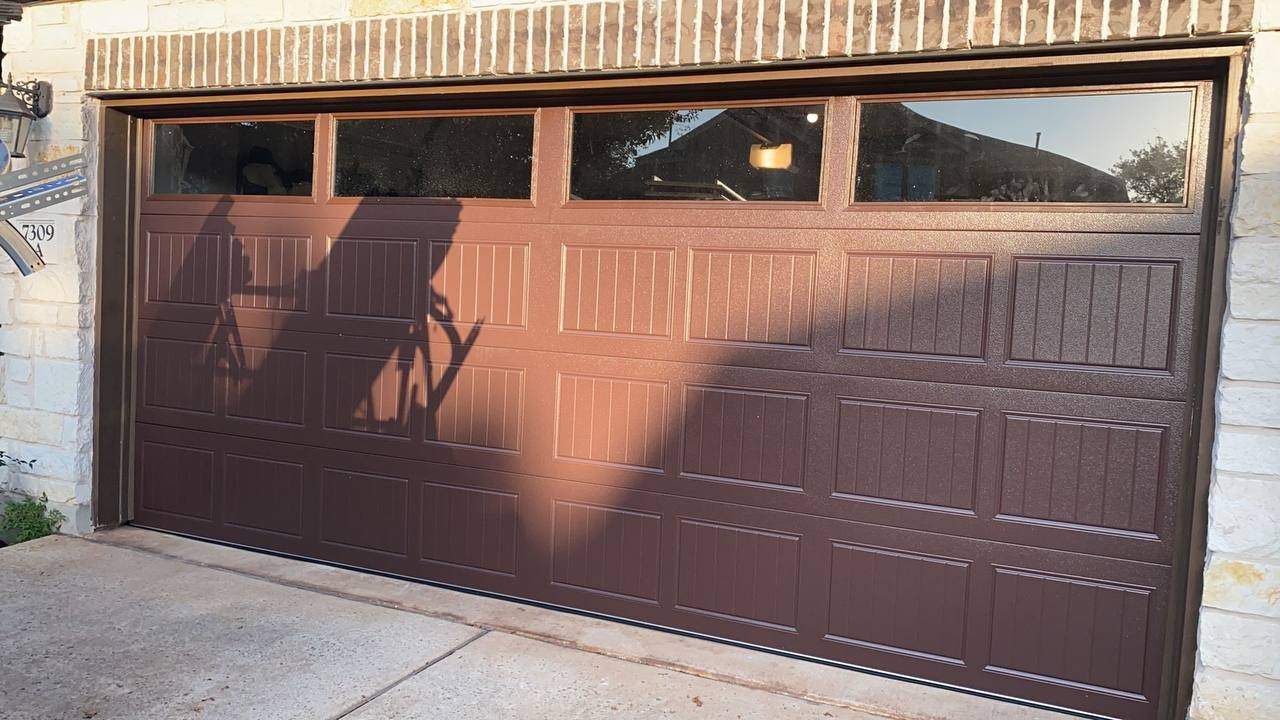
Replacing single-layer panels with insulated steel or composite panels is one of the highest-impact upgrades. Insulation increases the R-value, reduces condensation, and lowers heat transfer into an attached garage. For homeowners in Seattle’s mild but damp climate, insulation also mitigates corrosion risk on tools and stored items.
2. Weatherstripping and bottom seals
Simple, low-cost weatherstripping around the perimeter and a new bottom seal against the threshold stop drafts and keep pests out. These items are often addressed during routine garage door repair but are worth verifying on every service call.
3. Better track and hardware maintenance
Properly aligned tracks and lubricated rollers reduce unnecessary gaps and friction-related wear. While not a direct insulation upgrade, well-tuned hardware helps the door close uniformly, preserving the effectiveness of seals and insulation.
4. Add an insulated garage door opener cover
If your opener is in the garage ceiling, an insulated cover or boxed enclosure helps prevent heat loss into the attic. It’s a short, inexpensive step many residential service techs recommend when doing garage door repair.
Choosing materials and measuring ROI
Not all upgrades have the same payback. Consider the following when planning work in Seattle:
- Door material: Steel panels with polyurethane fill offer high R-values for moderate cost.
- Existing garage use: If the garage is heated or attached to living spaces, invest more in insulation.
- Local climate: Seattle’s damp winters mean insulation that resists moisture and prevents mold is valuable.
Return on investment depends on how you use the space. For attached garages that connect to a mudroom or second living area, homeowners often recoup costs through lower HVAC cycles and increased comfort.
Installation and service considerations
When scheduling garage door repair WA homeowners should ask technicians about these service details to ensure the efficiency upgrades stick:
- Professional measurement of R-value and door fit before ordering parts.
- Verification that seals, tracks, and springs are compatible with heavier insulated doors.
- Clear timeline and warranty details for parts and labor.
Most residential service crews can complete a combined tune-up and insulation panel swap in a day for a standard single-car door. More complex conversions or custom doors may take longer and require permits if structural changes are needed.
Permits, warranties, and local rules
Seattle rarely requires a permit for standard garage door replacement, but if the upgrade changes the door opening, header, or garage structure, a building permit may be necessary. Always confirm with your technician and the city permitting office before starting work.
Ask for written warranty information: insulated panels often carry manufacturer warranties while labor and installation should be covered by the service provider for a specified period. Keep receipts and warranty cards for future claims.
Energy-saving checklist for your next garage door repair
- Inspect seals and bottom weatherstrip; replace if cracked or compressed.
- Measure door R-value and compare insulated panel options.
- Upgrade rollers and tracks to reduce gaps and improve closure.
- Confirm opener and ceiling insulation do not create thermal bridges.
- Schedule a follow-up to verify seals after seasonal temperature changes.
Work with local pros and learn more
Seattle homeowners benefit from technicians who understand local weather and common retrofit details. For deeper reading on common repairs and case studies, visit our blog for posts that explain materials and costs in plain language: https://garagedoors-seattle.com/blog.
If you’re ready to book a site visit or need a written estimate, contact our team directly—our scheduling specialists can advise on timing and required site prep: https://garagedoors-seattle.com/contact.
We also provide a range of upgrade packages and ongoing residential service plans—see full offerings and package details here: https://garagedoors-seattle.com/services.
Typical costs and timelines for Seattle homeowners
Costs vary by door size, material, and existing condition. As a rough guide:
- Seal and weatherstrip replacement: low cost, typically a few hours of labor.
- Insulated panel retrofit on a single-car door: moderate cost, usually completed in 1 business day.
- Full door replacement with high-R-value panels: higher cost, possible 1–3 day turnaround depending on custom finishes.
Ask technicians for itemized estimates that separate materials, labor, and any adjustments to springs or openers. This helps compare bids and plan your budget.
Practical tips to maintain efficiency year-round
- Check seals each season and replace any weatherstripping showing wear.
- Keep the door balanced—an unbalanced door strains the opener and can leave gaps.
- Lubricate rollers and hinges annually to preserve smooth operation and seal compression.
- Use a programmable thermostat for living spaces adjacent to the garage to minimize waste.
Final thoughts for homeowners in Seattle
Energy efficiency upgrades done during routine garage door repair deliver tangible comfort and cost benefits for Seattle, WA homes. Whether you need simple sealing or a full insulated door replacement, choosing materials and technicians familiar with local conditions ensures long-term performance.
For a free initial assessment or to discuss a personalized upgrade plan, call our local line or use the contact link above to request an estimate.
Frequently asked questions — Seattle, WA
Do I need a permit to replace my garage door in Seattle?
Most standard door replacements that don’t change the opening or support structure do not require a permit, but structural modifications or changes to the header often do. Confirm with your technician and the City of Seattle if in doubt.
How long does an insulated door installation take?
For a standard single-car door, expect 4–8 hours for removal and installation of an insulated replacement. Custom doors or additional framing can add time; your technician should give a day-based window on the estimate.
Will insulated panels prevent condensation in Seattle’s damp climate?
Insulated panels with a closed-cell core (like polyurethane) reduce thermal bridging and help prevent condensation versus single-skin doors. Proper ventilation of the garage space also helps control moisture.
What warranty should I expect for insulated garage doors and labor?
Manufacturer warranties for insulated panels commonly cover defects for several years; labor warranties vary by provider. Ask for written terms for both parts and labor before work begins.
What price range should I budget for energy-efficiency upgrades?
Basic weatherstripping and seals are low-cost. A retrofit with insulated panels for a single-car door is moderate—typically hundreds to low thousands depending on materials. Full replacements with premium finishes are higher. Get multiple quotes to compare.
Helpful local resources in Seattle, WA
- Garage Door Repair Seattle
- Garage Door Repair Bellevue
- Garage Door Repair Redmond
- Garage Door Repair Kirkland
- Garage Door Repair Mercer Island
- Garage Door Repair Edmonds
- Garage Door Repair Issaquah
- Garage Door Repair Tacoma
- Garage Door Repair Everett
- Garage Door Repair Bothell
- Garage Door Repair Sammamish
- Garage Door Repair Renton
- Garage Door Repair Lynnwood
- Garage Door Repair Woodinville
- Garage Door Repair University Place
- Garage Door Repair Gig Harbor
- Garage Door Repair Lakewood
- Garage Door Repair Puyallup
- Garage Door Repair Mukilteo
- Garage Door Repair Vancouver
- Garage Door Repair Kenmore
- Garage Door Repair Burien
- Garage Door Repair Auburn
- Garage Door Repair South Hill
- Garage Door Repair Yarrow Point
- Garage Door Repair Clyde Hill
- Garage Door Repair Port Townsend
- Garage Door Repair Duvall
- Garage Door Repair Snoqualmie