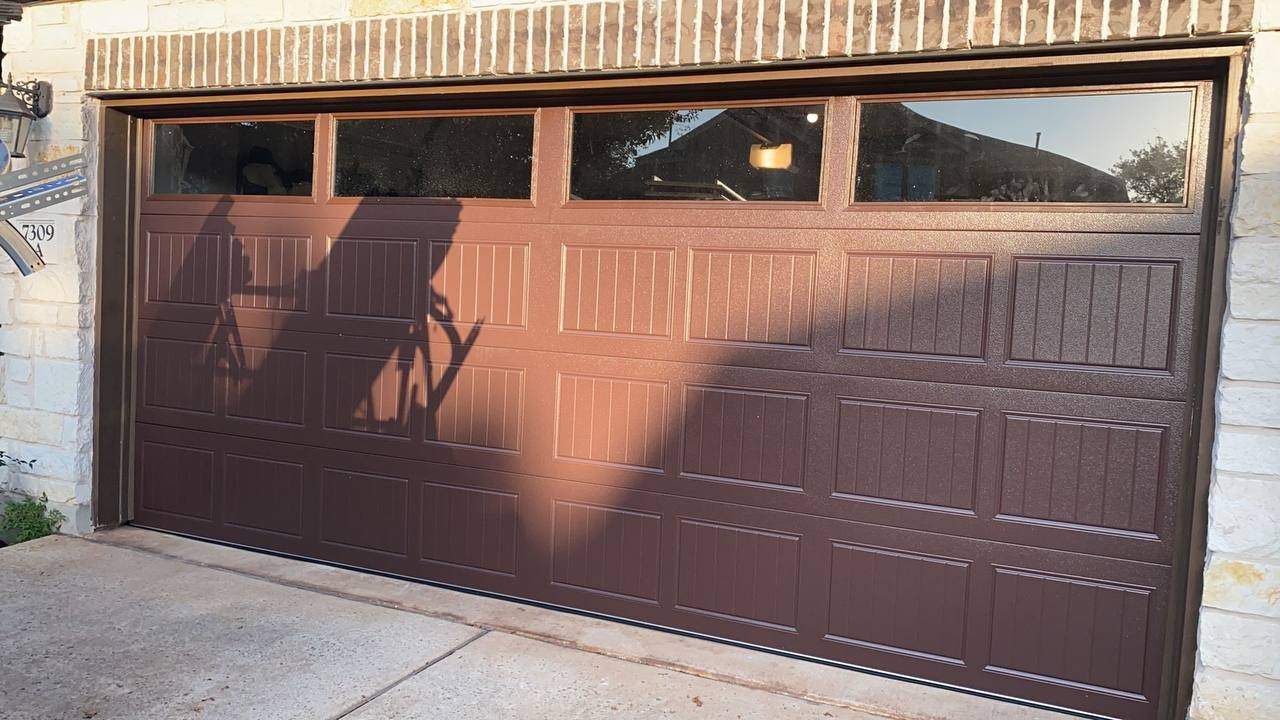
If you own a home in Seattle, WA and are weighing whether to attempt garage door repair yourself or call a pro, this local guide cuts through the noise. Garage doors are heavy, spring-loaded systems with moving parts that can be dangerous when mishandled. Below you’ll find clear criteria to decide when DIY is reasonable and when hiring a certified technician is the safer, faster option.
When DIY Makes Sense
Some garage door repairs are small, inexpensive, and safe for a homeowner with basic tools and a steady hand. Consider DIY when:
- Issues are cosmetic: dents in panels, loose weatherstripping, or scuffed paint.
- Simple maintenance is needed: lubricating rollers, tightening loose hardware, or replacing worn weather seals.
- Problems involve low-voltage electronics: replacing a battery in a remote or reprogramming a keypad (follow the manufacturer instructions).
For these tasks, you can save money and learn about your system. Keep a checklist: unplug opener power before working near electronics, support panels with clamps when removing fasteners, and wear eye protection.
When to Call a Professional
Hire pro garage door repair if any of the following apply:
- Broken springs — they store dangerous energy and can cause serious injury.
- Cables off drum, bent tracks, or a door that’s come off its rollers.
- Opener motor problems or grinding noises that require diagnostic tools.
- Doors that won’t balance or close properly — safety reversal sensors not functioning.
- You need a reliable estimate for insurance, resale, or permit purposes.
Certified technicians bring the right springs, tools, and experience. They also test safety features and can give a professional warranty for the work, which most DIY fixes cannot match.
Safety and Liability
Attempting complex garage door repair without training increases risk of injury and can void equipment warranties or homeowner insurance coverage. If a repair goes wrong and causes property damage, insurers may investigate whether the owner used a qualified residential service.
Cost, Time, and Value: DIY vs Professional
Budget and timeline matter. Here are practical comparisons for common Seattle-area scenarios.
Typical Seattle Costs (Ballpark)
- Minor maintenance and parts (DIY): $20–$100.
- Spring replacement (professional): $150–$350 per spring, depending on door size and spring type.
- Opener repair or replacement (professional): $200–$600+ for parts and labor.
- Track or cable repair (professional): $120–$400 depending on damage.
Prices vary by model, door weight, and whether specialized parts are needed. In Seattle, local labor and parts availability influence totals; ask for written estimates.
Time and Convenience
- DIY small jobs: a few minutes to a couple of hours.
- Professional repairs: often same-day or next-day service; complex jobs may take longer if parts must be ordered.
Consider downtime: a stuck or off-balance door can disrupt daily routines and vehicle access. Paying for prompt, skilled service can be worth the cost for safety and convenience.
Checklist: Decide Before You Start
Use this quick checklist to decide whether to DIY or call a pro for garage door repair:
- Is the door off its tracks or are cables dangling? — Call a pro.
- Are springs broken or visibly damaged? — Call a pro.
- Is it a simple maintenance item like lubrication or weatherstrip replacement? — DIY if comfortable.
- Do you need a permit for structural changes? — Check local code and consider a pro.
- Is the opener under warranty? — Contact the manufacturer or an authorized residential service to avoid voiding coverage.
For additional practical tips and how-to maintenance guides, check our blog which covers seasonal care and small repairs specific to the Pacific Northwest climate.
Local Factors: Seattle Weather and Materials
Seattle’s wet, salty air affects hardware and finishes. Corrosion shortens the life of springs, rollers, and tracks, and wood doors can warp if not sealed properly.
- Inspect hardware annually for rust and replace galvanized or stainless parts where possible.
- Use weatherstripping rated for wet climates and re-apply sealant to wooden doors every few years.
If you’re unsure about material compatibility or need a corrosion-resistant replacement, consult a local technician who understands Seattle-area conditions. See our services page for common material upgrades that reduce maintenance.
Hiring a Pro: What to Ask
When you call a technician, be ready with specific questions. Clear answers show professionalism and protect you as a homeowner.
- Are you licensed and insured for residential garage door repair in WA?
- Can you provide a written estimate and warranty for parts and labor?
- Do you stock replacement springs and common parts for Seattle-style doors?
- How soon can you schedule the repair, and is emergency service available?
If you want a quick quote or to schedule a visit, contact us — a short phone call with photos usually speeds up accurate estimates.
Final Thoughts: Practical Hybrid Approach
For many Seattle homeowners, the best plan mixes DIY and professional help: handle routine care and small replacements yourself, then call a trained residential service for springs, bent tracks, cable issues, or opener failures. That strategy balances safety, cost control, and door longevity.
When in doubt, prioritize safety and a certified repair. A fast, expert intervention often prevents more expensive damage down the line and keeps your garage door reliable year-round.
Frequently Asked Questions
Q: How does Seattle weather affect garage door springs and hardware?
A: Rain and coastal air accelerate rust on springs, cables, and rollers. Inspect hardware every 6–12 months, lubricate moving parts with a silicone-based product, and replace corroded parts promptly to avoid sudden failures.
Q: How long does a typical professional repair take in Seattle?
A: Most routine repairs (spring replacement, cable repair, opener troubleshooting) are completed in 1–3 hours. If special parts are required they may need ordering; ask for an ETA when you request service.
Q: What price range should I expect for common repairs?
A: Ballpark Seattle ranges: minor parts and maintenance $20–$100 (DIY), spring replacement $150–$350 per spring, and opener replacement $200–$600+. Request a written estimate before work starts.
Q: Are permits required for garage door replacements in Seattle?
A: Most like-for-like repairs don’t need permits, but full structural modifications, converting an attached garage to living space, or adding large new openings may. Confirm with Seattle permitting or your contractor if you plan major changes.
Q: Do professionals offer warranties on garage door repair?
A: Yes. Reputable residential service providers typically offer limited warranties on parts and labor; ask for the warranty terms in writing and keep invoices for insurance or resale.
Helpful local resources in Seattle, WA
- Garage Door Repair Seattle
- Garage Door Repair Bellevue
- Garage Door Repair Redmond
- Garage Door Repair Kirkland
- Garage Door Repair Mercer Island
- Garage Door Repair Edmonds
- Garage Door Repair Issaquah
- Garage Door Repair Tacoma
- Garage Door Repair Everett
- Garage Door Repair Bothell
- Garage Door Repair Sammamish
- Garage Door Repair Renton
- Garage Door Repair Lynnwood
- Garage Door Repair Woodinville
- Garage Door Repair University Place
- Garage Door Repair Gig Harbor
- Garage Door Repair Lakewood
- Garage Door Repair Puyallup
- Garage Door Repair Mukilteo
- Garage Door Repair Vancouver
- Garage Door Repair Kenmore
- Garage Door Repair Burien
- Garage Door Repair Auburn
- Garage Door Repair South Hill
- Garage Door Repair Yarrow Point
- Garage Door Repair Clyde Hill
- Garage Door Repair Port Townsend
- Garage Door Repair Duvall
- Garage Door Repair Snoqualmie